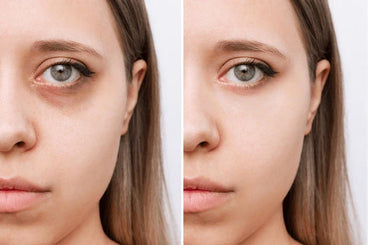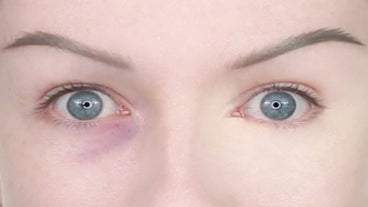
Dark circles often appear blue or purple because of visible veins or thin skin that shows underlying blood vessels. Using a color corrector in a shade that’s opposite on the color wheel neutralizes that hue rather than simply covering it up. For example, orange-based or peach-based correctors are ideal for canceling blue/purple under-eyes. This technique prevents the heavy, greyish look that hides under incorrect concealing. For correctors designed specifically for blue or purple tones

shop targeted under-eye color correctors here.
Which Shades Work Best for Blue Under-Eye Circles?
If your under-eyes look more bluish than dark brown or black, a corrector leaning toward orange or deep peach is your best bet. On fair skin tones, a soft peach works well because it balances the cool tones without appearing too heavy. On medium to deep skin tones with strong blue/purple shadows, a richer orange or terra-cotta corrector gives better neutralization and blends more naturally with the concealer on top. Explore well-pigmented options here

browse strong-coverage correctors for blue shadows here.
What About Purple-Toned Circles Under the Eyes?
When the under-eye discoloration is more purple than pure blue, or if it’s a mix of violet and blue, you might need to go a shade warmer or deeper. Some makeup experts recommend yellow correctors for violet shadows—especially on very fair skin—or a mix of peach plus concealer to brighten the area. On deeper skin tones, a bold orange or burnt-sienna corrector works best to neutralize and harmonize. For options that handle violet tones

find correctors for purple under-eyes here.
How to Choose Based on Your Skin Tone Depth
Skin tone plays an important role in the corrector shade you pick. For lighter/fair skin, choose peach or light pink-peach tones so you don’t end up with an orange cast. For medium skin tones, go for true peach or light orange. For tan to deep skin tones, richer orange or terra-cotta correctors work best and avoid ashy finishes. Always test in natural light, applying a small dot under the eye to see which shade disappears rather than stands out. For correctors across skin tones

shop universal shade corrector palettes here.
How to Apply Corrector for Best Results
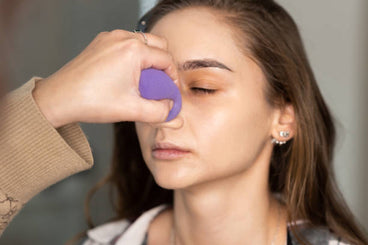
Start with a lightweight eye-cream to ensure the under-eye area is hydrated, then apply a thin layer of corrector only on the blue or purple area. Blend gently with a small brush or fingertip, then follow with a concealer that matches your skin tone. Set lightly with powder if needed. Less is more—too much corrector can look heavy or textured. For application tools and correctors that blend smoothly

browse under-eye corrector kits here.
Final Verdict: Match the Tone Instead of Guessing
If your under-eyes have visible blue veins or cool-toned shadows, reach for a peach or orange corrector depending on your skin depth. If the discoloration leans violet, a yellow-based corrector or deeper orange may be necessary. Correcting undertone before adding concealer creates a natural, bright finish without looking masked. To bring out your best under-eyes