Why It Matters
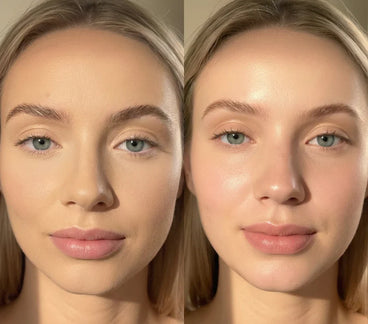
Choosing the right foundation shade is one of the most important steps in creating a natural-looking makeup appearance. A foundation that is too light can make the skin look dull or ashy, while a shade that is too dark may appear unnatural and uneven. The right match should blend seamlessly into your skin, enhancing your complexion rather than masking it. Taking the time to find your ideal shade can make a significant difference in the overall look and finish of your makeup.

Know Your Tone
The first step in finding a foundation shade is understanding your skin tone. Most skin tones fall into categories such as fair, light, medium, tan, or deep. Identifying where your complexion falls within this range can help narrow down your options and make shade selection much easier. While skin tone is important, it is only one part of finding the perfect foundation match.

Understand Undertones
Undertones play a major role in determining whether a foundation looks natural on your skin. Generally, undertones are categorized as cool, warm, or neutral. Cool undertones often have hints of pink or rosy hues, warm undertones may appear golden or yellow, and neutral undertones contain a balance of both. Choosing a foundation with the correct undertone can help prevent the makeup from looking too pink, yellow, or unnatural.

Check Natural Light
Lighting can dramatically affect how foundation appears on the skin. A shade that looks perfect indoors may appear completely different outside. Natural daylight provides the most accurate view of how foundation truly matches your complexion. Evaluating foundation shades in natural lighting can help you avoid mismatches and ensure a more seamless blend with your skin.

Consider Seasons
Your skin tone may change slightly throughout the year due to sun exposure and seasonal conditions. Many people notice that their complexion becomes deeper during warmer months and lighter during colder seasons. Because of these natural changes, some individuals prefer to keep more than one foundation shade available to maintain a consistent match throughout the year.

Final Thoughts
Finding the perfect foundation shade involves more than simply choosing a color that looks close to your skin tone. Understanding your skin tone, identifying your undertone, checking shades in natural light, and considering seasonal changes can all help you achieve a more accurate match. With the right foundation shade, your makeup can look smoother, more natural, and beautifully blended every day.