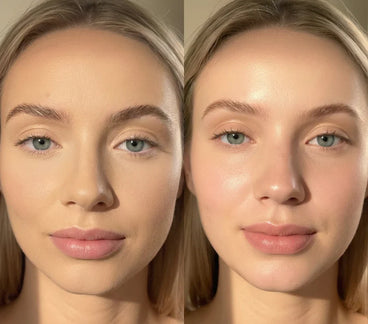
Finding The Match
One of the most common foundation questions is whether the shade should be lighter or darker than your natural skin tone. Many people believe that a lighter foundation will brighten the complexion or that a darker shade will create a tanned appearance. However, foundation is designed to create an even-looking complexion, not change your skin color. The most natural-looking foundation is usually one that closely matches your skin tone and blends seamlessly into the skin.

Why Lighter Fails
Choosing a foundation that is too light can make the complexion appear dull, pale, or even ashy. In certain lighting conditions, an overly light foundation may create an unnatural contrast between the face and the rest of the body. While some people select lighter shades hoping to brighten their appearance, the result can often look less balanced and make makeup more noticeable.

Why Darker Fails
A foundation that is too dark can also create challenges. It may leave the face looking orange, muddy, or disconnected from the neck and chest. While a darker shade might seem like an easy way to achieve a sun-kissed look, foundation is generally not intended for contouring or bronzing purposes. A mismatched dark shade can make the overall makeup look less natural and more difficult to blend evenly.

Undertones Matter
Even when the depth of a foundation appears correct, the undertone can make a significant difference. Foundations typically come in cool, warm, or neutral undertones, and selecting the wrong undertone can cause makeup to look too pink, too yellow, or unnatural against the skin. A foundation that matches both your skin tone and undertone will generally provide the most seamless and flattering result.

Seasonal Changes
Skin tone can naturally change throughout the year due to seasonal weather and sun exposure. Some people find that they need a slightly different foundation shade during warmer months compared to colder seasons. Having options that suit your complexion at different times of the year can help maintain a consistent and natural-looking match.

Natural Results
The goal of foundation is to even out the complexion while allowing the skin to look like skin. A properly matched foundation should blend so well that it becomes difficult to tell where the product ends and your natural skin begins. When the shade is correct, the focus remains on a smooth and polished complexion rather than the makeup itself.

Shop Natural-Finish Foundation
Final Thoughts
Foundation should generally be neither lighter nor darker than your skin tone. The best choice is a shade that closely matches your natural complexion and undertone for the most seamless and flattering appearance. By focusing on an accurate match rather than trying to alter your skin color with foundation, you can achieve a more balanced, natural, and professional-looking makeup finish.